

The Six Biggest Stressors Facing Military Families in 2026 – And What to Do About Them
September 15, 2026
Contributing Author: David Obergfell, DSW, LCSW, BCD
I’ve worn the uniform as an active duty service member in the Air Force, and I continue to serve in the Air Force Reserve today. Working with military families in both these capacities, I’ve stood beside and served families who shoulder the weight of service. I continue to see the same pressures surface; persistent, familiar, and deeply real. Reflecting on this past year, here are the six stressors that hit the hardest.
1. Money stress
Let’s be honest, everything costs more: housing, gas, groceries, uniforms, school needs, you name it. Even with steady pay, some families are still falling behind. Many of us need two incomes just to keep up. No one wants to choose between covering the bills and having a little breathing room, but that’s the reality many military families are facing right now.
A practical step that helps: Sit down once a year, ideally before PCS season or the new calendar year, and run a benefits and entitlements checkup. Many families miss allowances, special pay, or state-level tax advantages tied to military status. Even modest corrections can free up monthly cash flow and reduce background stress.
2. Spouse employment struggles
Military spouses are talented, trained, and ready to work, but the lifestyle doesn’t make it easy. Moves upend careers. Professional licensing rules change by state. And with returns-to-office becoming more common, remote work is harder to secure or approve, so many spouses are left starting over time and again. When a spouse can’t maintain stable employment, it hurts more than just the budget, it impacts their sense of purpose.
A practical step that helps: invest in a portable career file with licenses, certifications, references, résumé versions, and a short professional bio, all saved in one place. Treat each move like a planned transition, not a restart. Active-duty families who plan employment portability ahead of PCS reduce both downtime and frustration.
3. Time apart
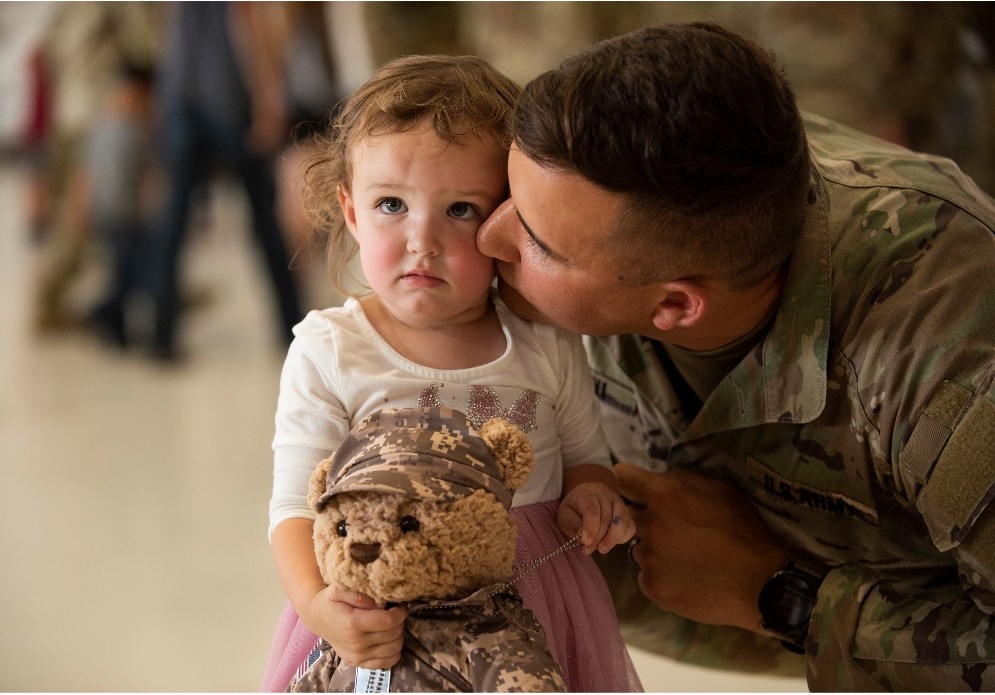
Deployments, drill weekends, TDY, unexpected orders, and time apart strain everyone. Families struggle to maintain effective communication. Kids have to adjust again and again as routines shift. Couples work hard to stay connected while apart and reconnect when service members return home. Every homecoming brings joy and love, but also comes with lots of change and stress. Military families live in a rhythm most civilians never experience. They adjust, separate, reunite, repeat.
A practical step that helps: Agree on communication expectations before separation. Not how often you hope to talk, but what’s realistic. Predictable expectations, weekly video calls, shared calendars, or short check-ins, reduce resentment and help everyone feel grounded during time apart.
4. Mental health and invisible wounds
Not every wound shows on the outside. Stress can show up as anger, anxiety, nightmares, pulling away, or shutting down. It impacts friendships, parenting, marriage, and day-to-day life. When support is hard to reach, especially for Guard or Reserve families far from a base, problems get heavier. No one should have to carry that alone. National resources like the Star Providers Directory, make it easier to find help, offering access to trained providers in every state who understand the unique needs of military families.
A practical step that helps: Don’t wait for a crisis. Use the directory proactively, before stress becomes overwhelming. Even a few early sessions can prevent issues from cascading into relationships, work, or health. Seeking early care is strength, not weakness.
5. Living between two worlds (National Guard and Reserve families, especially)
Guard and Reservist life is unique. One weekend, you’re mowing the lawn before work at your civilian job, and then the next, you’re mobilized for a natural disaster. That constant switching between roles can wear on service members and families. Many National Guard and Reservist families don’t live near installations, so they don’t get the same support as active-duty families. They serve just as hard but are often unseen and underserved by access to services between civilian systems and a military system that isn’t always built with them at the forefront.
A practical step that helps: Create your own micro-support network. Identify one military-aware contact (peer, provider, or organization) and one trusted civilian contact. Having both worlds represented reduces isolation and makes transitions less disruptive.
6. Feeling misunderstood
Most civilians are kind, but they simply don’t know military life. They don’t understand why we move so often, why deployment changes people, or why goodbyes come with so little warning. The gap in understanding can leave military families feeling isolated, even when they’re surrounded by well‑meaning neighbors, family, and friends.
A practical step that helps: Decide what you will and won’t explain. You don’t owe anyone your story but choosing one or two simple explanations can reduce friction and emotional fatigue. Clear boundaries protect energy and reduce the stress of constantly translating military life.
Re-centering support: bringing it back to Star Behavioral Health Providers
Military families are resilient. They adapt, serve, and hold together through challenges most Americans will never experience. But resilience shouldn’t mean going it alone.
That’s why resources like the Star Behavioral Health Providers Directory are so critical. It doesn’t just help in moments of crisis, it helps families stay steady through everyday stress. Combined with other military-connected resources, SBHP gives families a place to turn that understands both the visible and invisible demands of service.
Support works best when it’s accessible, culturally competent, and easy to use. For military families in 2026, that combination matters more than ever.
Sources:
- Blue Star Families – Military Family Lifestyle Survey (MFLS) 2023–2025
- Magellan Federal summary of MFLS financial stress findings
- DoD Active Duty Spouse Survey (summary via National Military Family Association)
- Military families “hidden in plain sight” (Guard/Reserve) – Military REACH
- RAND – Addressing Stressors for National Guard Personnel
- National Academies – Military Life: Opportunities and Challenges
- Briggs et al. 2019 – Military Life Stressors, Family Communication, and Child Adjustment